

Now Reading: Robotics Industry Hits Major Milestones in 2025 with Surging Growth and Innovative Technologies
-
01
Robotics Industry Hits Major Milestones in 2025 with Surging Growth and Innovative Technologies
Robotics Industry Hits Major Milestones in 2025 with Surging Growth and Innovative Technologies

The robotics industry is experiencing remarkable growth and technological innovation in 2025, fueled by a global surge in demand for both industrial and service robots. According to the latest World Robotics report, the number of industrial robots worldwide reached over 4.2 million units, marking a 10% increase and solidifying Asia as the leading market with 70% of new deployments concentrated there. Professional service robots sales also grew dramatically by 30%, with strong adoption in the Asia-Pacific region followed by Europe and the Americas.
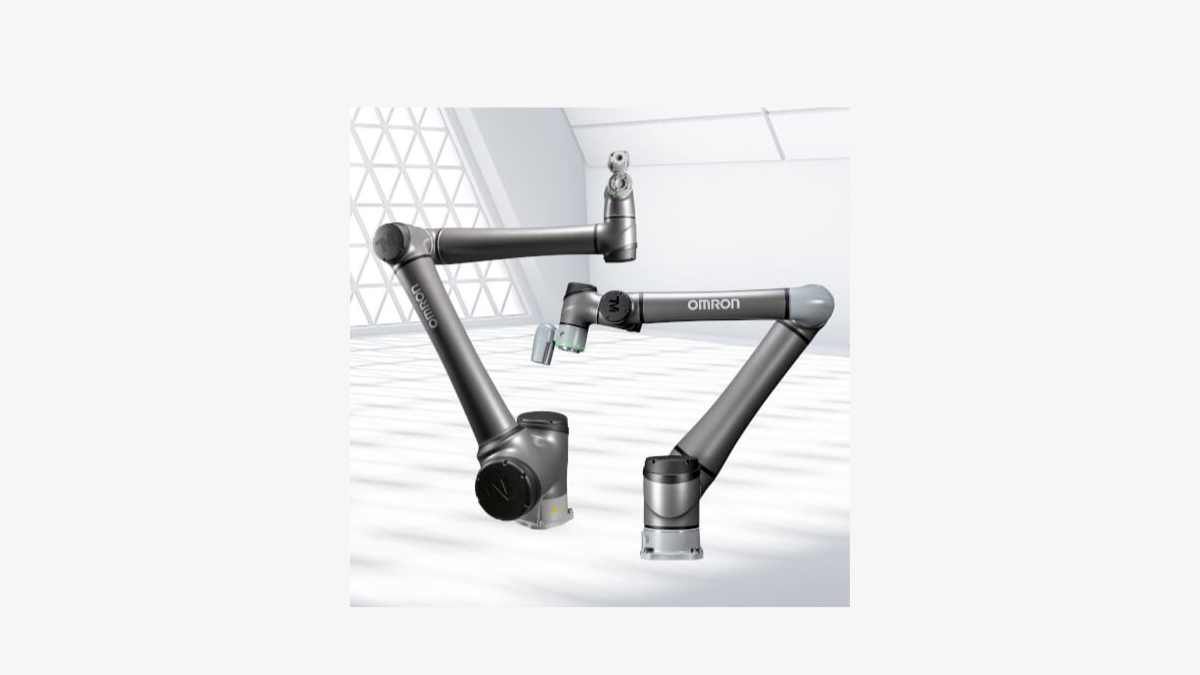
Key trends driving the sector include the rapid advancement of humanoid robots and collaborative robots (cobots) designed to work safely alongside humans on industrial production lines. Cobots now feature enhanced AI capabilities, intuitive interfaces, and improved safety sensors that allow real-time interaction and adaptive learning to boost workplace efficiency.
Autonomous Mobile Robots (AMRs) have become increasingly prevalent in logistics and warehousing. These AMRs leverage sophisticated navigation systems and machine learning to optimize inventory management, reduce costs, and streamline material handling processes. Soft robotics is another emerging field, focusing on flexible, pliable manipulators for handling delicate goods, such as electronic components and food items.
Moreover, surgical robotics continue to evolve with minimally invasive technology that improves precision and patient outcomes. Robotic exoskeletons are also gaining traction across healthcare and manufacturing sectors by enhancing human strength and reducing physical strain.
This expansive growth and diversification showcase how robotics is becoming deeply embedded across industries, promising higher productivity, safety, and new capabilities in 2025 and beyond.