
Now Reading: Phishing Attacks: The Oldest Trick Still Catching Victims
-
01
Phishing Attacks: The Oldest Trick Still Catching Victims
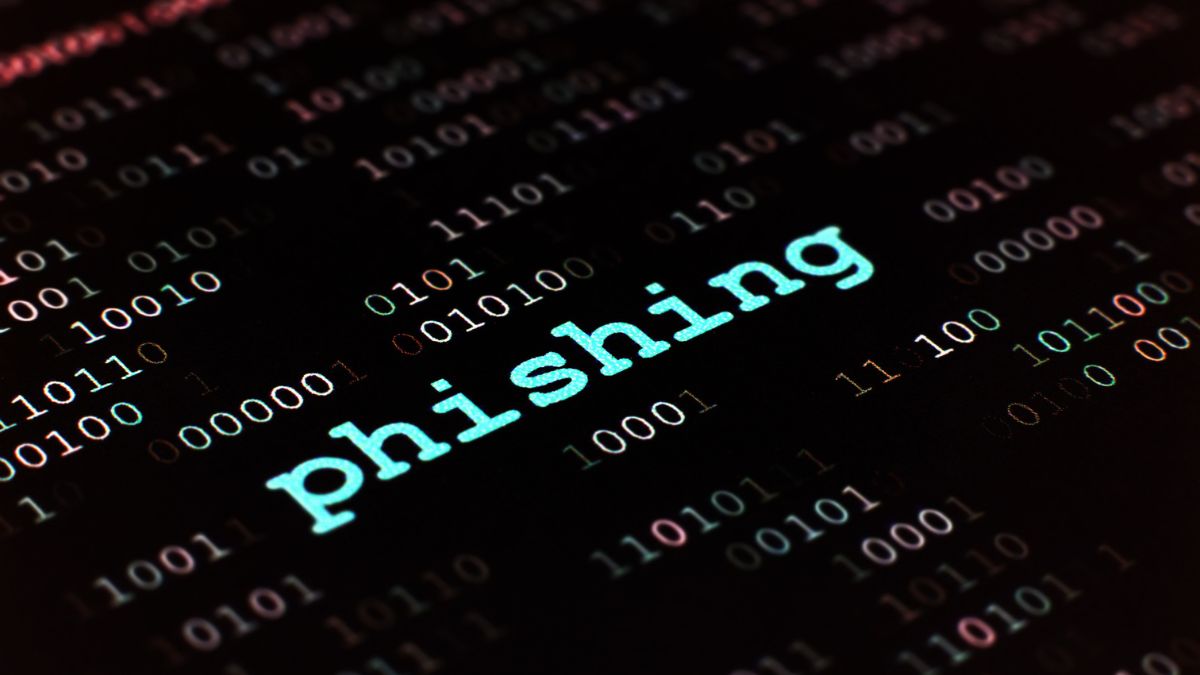

Phishing has been around since the early days of the internet, yet it remains one of the most effective and widespread cyber threats today. Despite decades of awareness campaigns, millions of individuals and organizations still fall prey to cleverly disguised phishing scams every year — making it a persistent danger in the cybersecurity landscape.
At its core, phishing is a social engineering technique where attackers trick people into revealing sensitive information or installing malicious software. Typically, it involves fake emails, text messages, or websites that appear legitimate but are designed to harvest credentials, credit card numbers, or even corporate secrets.
Why is phishing still so effective?
Modern phishing campaigns are highly targeted and sophisticated, using tactics like:
-
Spear-phishing: Personalized emails aimed at specific individuals or organizations, often using publicly available information to appear credible.
-
Business Email Compromise (BEC): Attackers impersonate executives or trusted vendors to convince employees to wire money or disclose sensitive data.
-
Smishing and vishing: Phishing via SMS (smishing) and voice calls (vishing) are increasingly common as people grow wary of emails.
According to recent studies, more than 90% of successful cyberattacks start with a phishing email. Even with security filters in place, some messages slip through — and it only takes one careless click to compromise an entire network.
The consequences of falling victim to phishing can be severe:
-
Financial losses running into millions of dollars.
-
Data breaches exposing sensitive customer or employee information.
-
Reputational damage and loss of customer trust.
-
Regulatory penalties for failing to protect data properly.
How to defend against phishing?
Phishing may be hard to eliminate completely, but its impact can be minimized through:
-
User education: Regular training and simulated phishing exercises can help employees recognize and report suspicious messages.
-
Email authentication protocols: Implementing standards like DMARC, SPF, and DKIM helps prevent spoofed emails from reaching inboxes.
-
Multi-factor authentication (MFA): Even if credentials are stolen, MFA can prevent unauthorized access.
-
Advanced email filters and security tools: Modern solutions use AI to detect and block phishing attempts more effectively.
Despite the rise of newer, more sophisticated cyber threats, phishing remains dangerous precisely because it exploits human psychology rather than technical flaws. In the digital age, awareness and vigilance are just as critical as any technological safeguard in staying protected.