

Now Reading: How Google Earth AI’s planetary intelligence is supporting global public health
-
01
How Google Earth AI’s planetary intelligence is supporting global public health
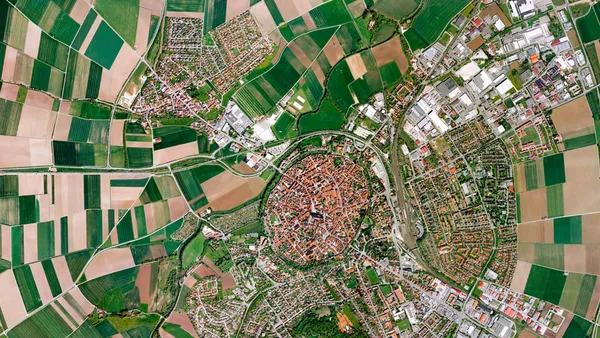
How Google Earth AI’s planetary intelligence is supporting global public health

Google Earth AI is playing a significant role in enhancing global public health initiatives by providing vital data and insights that aid in predicting disease outbreaks and facilitating proactive healthcare measures.
The integration of artificial intelligence into Google Earth allows health professionals and researchers to analyze vast amounts of geographical and environmental data. This capability is essential for understanding the factors that contribute to the spread of diseases and for identifying potential health threats before they escalate.
By utilizing satellite imagery and data analytics, Google Earth AI helps in monitoring various environmental conditions, such as changes in land use, climate patterns, and population density. These factors can significantly impact public health, as they can influence the emergence and spread of infectious diseases.
Health organizations around the world are using this technology to enhance their predictive modeling capabilities. For instance, by analyzing historical data alongside real-time environmental changes, they can forecast where outbreaks are likely to occur and take preventive actions accordingly.
Moreover, Google Earth AI supports the global health community by providing tools that enable better resource allocation. By identifying areas at higher risk for health crises, organizations can direct their resources and interventions more effectively, ensuring that communities receive timely care and support.
This innovative approach not only helps in managing existing health threats but also plays a crucial role in preparing for future challenges. The ability to visualize and analyze health data on a global scale enhances collaboration among researchers, public health officials, and policymakers.
In conclusion, Google Earth AI is a powerful ally in the fight for global public health. Its advanced analytical capabilities are changing how health organizations predict and respond to outbreaks, ultimately leading to improved health outcomes worldwide.